
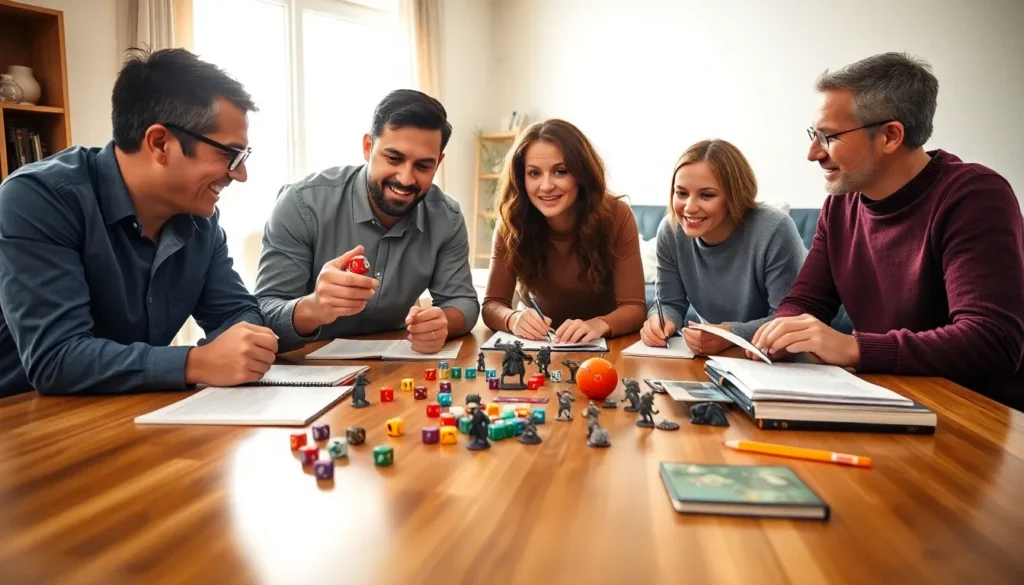

RPG techniques separate forgettable sessions from legendary campaigns. Whether someone plays Dungeons & Dragons, Pathfinder, or indie tabletop games, the right skills transform a night of dice rolling into shared storytelling magic.
Great roleplaying doesn’t require acting school training or decades of experience. It requires understanding a few core techniques that experienced players use to create memorable characters, drive compelling stories, and keep everyone at the table engaged. These RPG techniques work across game systems and player experience levels.
This guide covers the essential skills every tabletop player should know. From character development to improvisation, combat strategy to collaborative storytelling, these methods help players and game masters alike get more from every session.
Table of Contents
ToggleKey Takeaways
- Effective RPG techniques focus on specific character motivations and the Three-Detail Method to create memorable, playable characters quickly.
- The “Yes, And” principle from improv comedy keeps sessions flowing by building on other players’ contributions instead of contradicting them.
- Describing combat actions cinematically transforms mechanical dice rolls into exciting, immersive moments for the whole table.
- Failed rolls should drive the story forward—treat them as interesting complications rather than dead ends.
- Collaborative storytelling means sharing the spotlight, creating inter-party connections, and respecting different play styles within your group.
- Post-session debriefs help groups refine their RPG techniques and address any moments that didn’t work.
Character Development Techniques
Strong characters make RPG sessions memorable. The best RPG techniques for character development go beyond filling out a stat sheet.
Start with a Core Motivation
Every character needs a clear reason to adventure. “I want gold” works, but “I need to buy back my family’s farm before the harvest festival” creates story hooks. Specific motivations give game masters material to work with and give players clearer decision-making guidelines.
Use the Three-Detail Method
Players don’t need twenty pages of backstory. Three specific details create a vivid character faster:
- One physical quirk (a nervous habit, distinctive scar, or unusual accessory)
- One personality trait that causes problems
- One secret or goal they haven’t shared with the party
These details provide enough depth for roleplaying without overwhelming anyone.
Let Characters Change
Static characters get boring. The best RPG techniques involve allowing characters to grow, change opinions, and develop new relationships. A character who starts cynical might learn to trust. Someone obsessed with revenge might find peace. Track these shifts, they’re the heart of good storytelling.
Voice and Mannerisms
A character doesn’t need a perfect accent. Simple choices work better: speaking in shorter sentences, using a catchphrase, or pausing before important statements. These small touches make characters distinct without requiring performance skills.
Improvisation and Storytelling Methods
RPG sessions rarely follow the script. Strong improvisation techniques keep games flowing when players do something unexpected.
The “Yes, And” Principle
Borrowed from improv comedy, this technique means accepting what another player establishes and adding to it. When someone says their character notices something suspicious, don’t contradict them. Build on their observation. This keeps momentum going and makes everyone feel heard.
Ask Questions Instead of Declaring
Instead of stating “I search the room and find a hidden door,” try “Would my character notice anything unusual about the walls?” This respects the game master’s authority while still driving the action forward. It’s one of those RPG techniques that improves table dynamics immediately.
Use Flashbacks Sparingly
When a situation calls for it, brief flashbacks add depth. “This reminds my character of the night her village burned” creates emotional weight without derailing the current scene. Keep flashbacks to a sentence or two unless the group wants to explore them further.
Embrace Failure as Story
Failed rolls don’t have to mean “nothing happens.” A failed persuasion check might mean the character said the wrong thing, revealed too much, or offended someone important. These failures create interesting consequences and often lead to better stories than success would have.
Read the Table
Good improvisation means noticing when other players seem disengaged or uncomfortable. Adjust pacing, include quieter players, and check in when scenes get intense. RPG techniques work best when everyone stays involved.
Combat and Encounter Strategies
Combat encounters test tactical thinking and teamwork. These RPG techniques help players contribute meaningfully to fights.
Know Your Character’s Strengths
Before sessions, players should understand their abilities. What does their character do well? What synergies exist with other party members? Preparation prevents the awkward pauses where someone reads their character sheet mid-combat.
Describe Actions Cinematically
Instead of “I attack the goblin,” try “I swing low, aiming for its legs.” Descriptive combat makes fights feel dynamic and gives game masters material for narrative responses. This simple technique transforms mechanical dice rolls into exciting moments.
Think Beyond Damage
Not every action needs to deal damage. Knocking enemies prone, creating distractions, or positioning allies often matters more than raw numbers. Players who think tactically about the battlefield contribute more than those who simply maximize damage output.
Communicate with Teammates
Coordinated parties win fights. Call out enemy positions, share information about weaknesses, and set up combination attacks. A quick “Can you hold that enemy in place so I can get behind them?” transforms individual actions into team strategy.
Manage Resources Wisely
Spending every powerful ability in the first fight leaves characters vulnerable later. Experienced players pace their resources, saving big moves for critical moments. This resource management becomes its own strategic layer in longer sessions.
Building Collaborative Narratives
The best RPG techniques focus on group storytelling rather than individual spotlight moments.
Share the Stage
Every player deserves moments to shine. When someone else’s character has a personal scene, support it rather than interrupting. Ask questions that let them explore their character. Step back when appropriate, knowing others will do the same.
Create Inter-Party Connections
Characters with existing relationships create richer stories. Maybe two characters served in the same military unit. Perhaps they’re distant cousins or former rivals. These connections give players reasons to interact beyond “we’re adventuring together.”
Establish Stakes Together
When players help define what matters in the story, they invest more deeply. A town threatened by bandits means more if a character’s mentor lives there. Collaborative stake-building turns generic plots into personal ones.
Respect Different Play Styles
Some players love deep roleplay. Others prefer tactical combat. Some want exploration and mystery. Good groups find ways to include elements that satisfy everyone, rotating focus across sessions.
Debrief After Sessions
A quick post-game conversation helps groups improve. What worked? What fell flat? Any moments that made someone uncomfortable? These check-ins help groups refine their collaborative approach over time.
RPG techniques for collaboration eventually come down to generosity, being as interested in other characters’ stories as your own.


