
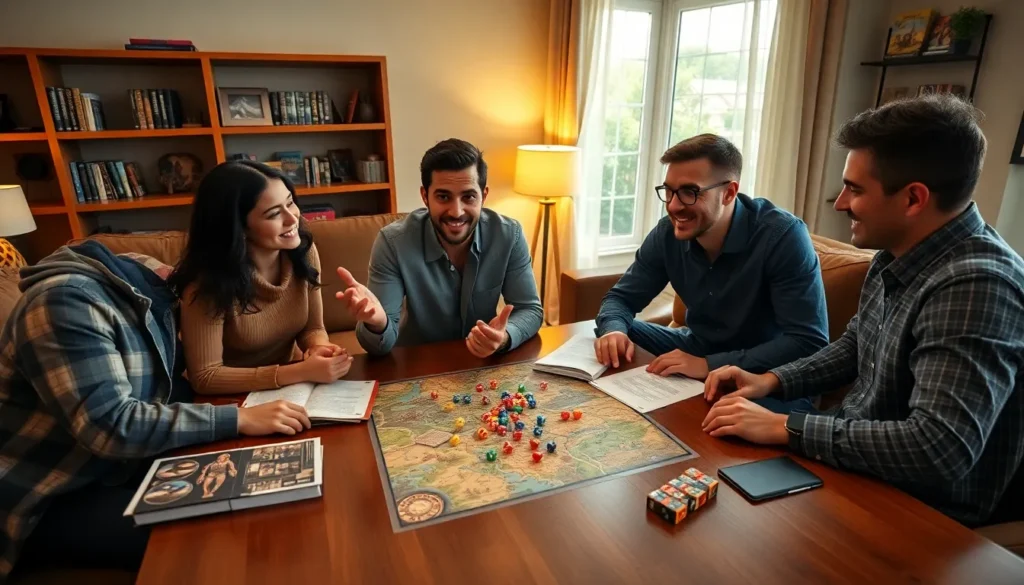

Great RPG tips can transform an average game night into something memorable. Whether someone plays Dungeons & Dragons, Pathfinder, or any other tabletop system, the fundamentals of good gameplay remain consistent. Players and game masters alike benefit from sharpening their skills.
This guide covers practical RPG tips that work at any experience level. From character creation to session management, these strategies help groups tell better stories together. The goal isn’t perfection, it’s creating moments that stick with everyone at the table.
Table of Contents
ToggleKey Takeaways
- Build characters with clear motivations and flaws to create natural story arcs and deeper engagement.
- Use the “yes, and” principle from improv to foster collaborative storytelling at your table.
- Prepare flexible situations instead of rigid plots so players can solve problems their own way.
- Keep a list of random names and NPC details ready to maintain immersion during unexpected moments.
- Watch your table’s energy and adjust pacing by mixing combat, roleplay, and exploration throughout sessions.
- End each session on a hook or cliffhanger to keep players excited for the next game night.
Build Characters With Depth and Purpose
A well-built character does more than fill a party role. They have wants, fears, and connections that drive the story forward. Players should ask themselves: What does this character want more than anything? What would they never do, even under pressure?
Strong RPG tips for character creation start with motivation. A fighter who protects their younger sibling creates more story hooks than one who simply “likes fighting.” That personal stake gives the game master material to work with and gives the player reasons to engage.
Backstory matters, but keep it focused. Two or three key events shape most people. The same applies to characters. A tragic childhood, a mentor who disappeared, a promise left unfulfilled, these elements provide enough depth without overwhelming the table.
Characters should also have flaws they can grow past. Perfect heroes feel flat. A rogue who struggles with trust issues or a cleric questioning their faith creates natural arcs. These internal conflicts often produce the best scenes.
Finally, consider how the character connects to other party members. Shared history or conflicting goals generate drama. Two characters who served in the same war but on opposite sides? That tension writes itself.
Master the Art of Collaborative Storytelling
RPGs work best when everyone contributes to the narrative. The game master sets the stage, but players shape what happens on it. Good collaborative storytelling means building on each other’s ideas rather than competing for spotlight.
One of the most useful RPG tips here is the “yes, and” principle from improv theater. When another player introduces an element, accept it and add something. If someone mentions their character’s hometown, another player might ask about a shared memory from visiting there.
Game masters should leave gaps in their world for players to fill. Not every detail needs pre-planning. When a player asks if there’s a blacksmith in town, the answer can be yes, and maybe the player knows them somehow. This approach builds investment.
Listening actively changes everything. Pay attention when others speak. Reference their character’s actions and words. Celebrate their victories. This creates a supportive atmosphere where everyone feels comfortable taking risks.
Conflict between characters can work beautifully when handled with respect. The key is separating character disagreements from player disagreements. Two characters might argue fiercely, but both players should enjoy the scene. Check in with each other regularly.
Prepare Effectively Without Over-Planning
Game masters often fall into one of two traps: preparing nothing or preparing everything. Neither approach serves the table well. Smart preparation focuses on flexible elements that adapt to player choices.
These RPG tips work for most preparation styles. First, create situations rather than plots. A plot assumes specific player actions. A situation presents a problem and lets players solve it their way. “The baron plans to poison the king” works better than “the players will sneak into the castle and swap the goblets.”
Prepare NPCs with clear goals and personalities. Three or four strong characters can populate an entire session. Give each one a distinctive voice or mannerism. Know what they want and what they’ll do to get it.
Keep a list of random names ready. Nothing breaks immersion faster than a game master stammering when players ask for the bartender’s name. Twenty names on an index card solves this problem forever.
Maps and encounter frameworks help, but don’t over-invest. Players will skip content. That’s not failure, it’s player agency working correctly. Unused material can appear later in different contexts.
Review the previous session’s notes before playing. Callbacks to earlier events make players feel heard. That throwaway NPC they befriended three sessions ago? Bring them back with new information.
Improve Your Improvisation Skills
Even prepared game masters need strong improv skills. Players ask unexpected questions. Dice create surprising outcomes. The ability to think quickly keeps sessions flowing.
Practical RPG tips for improvisation start with stealing shamelessly. That interesting character from a book or film? File off the serial numbers and drop them into your game. Players rarely notice, and borrowed elements provide instant depth.
Learn to ask questions back. When a player wants to know something obscure, turn it around: “You’re from this region, what do the locals say about that old tower?” This shares creative responsibility and often produces better answers than a game master could invent alone.
Keep a “random events” list handy. Strange weather, unexpected visitors, discovered items, these elements can redirect stalled scenes or add complications to easy encounters.
Practice describing things quickly. Most scenes need only two or three sensory details. The smell of smoke, the sound of distant thunder, the cold stone beneath their feet. Brevity beats exhaustive description.
Accept that improvised content won’t always land perfectly. Some NPCs fall flat. Some plot threads go nowhere. That’s normal. The table will remember the hits, not the misses.
Keep Sessions Engaging and Focused
Long sessions lose energy. Short sessions feel rushed. Finding the right rhythm takes practice, but certain techniques help maintain engagement throughout.
These RPG tips address pacing directly. Start sessions with action or a decision point. Recaps matter, but don’t let them drag. Five minutes reviewing last session, then jump into something interesting.
Watch the table’s energy. Phones appearing signal boredom. Side conversations suggest the current scene isn’t working. When attention drifts, change something: introduce a complication, cut to another location, or call for a break.
Combat often slows games down. Keep initiative order visible. Prompt players before their turn so they’re ready. Set time limits for decisions if necessary, pressure creates excitement.
Balance different types of content. Pure combat exhausts players. Pure roleplay can feel aimless. Mix investigation, social encounters, exploration, and action throughout each session.
End on a hook when possible. A revelation, a cliffhanger, or an arriving threat gives players something to anticipate. “The door bursts open, and standing there is…” followed by “we’ll pick up here next week” keeps everyone thinking about the game between sessions.
Respect everyone’s time. Start when planned. End when planned. Players who trust the schedule commit more fully to the game.


